
Garage Air Quality Improvement: Removing Fumes and VOCs with EcoQuest
Garages are some of the most polluted areas in a home, even though most people don’t think of them as part of their indoor environment. Vehicle exhaust, fuel vapors, paint chemicals, cleaning agents, and stored household products continuously release fumes and volatile organic compounds (VOCs). When a garage connects to the house, these contaminants can migrate into living spaces. EcoQuest technologies offer an effective way to neutralize harmful particles, improve ventilation quality, and eliminate persistent odors that accumulate in garages.
1. Why Garage Air Quality Is a Serious Concern
Unlike living areas, garages are not designed with clean air in mind. They often have limited airflow, closed doors, and surfaces that absorb chemicals over time. When engines start inside the garage, exhaust fumes immediately saturate the air. Gasoline containers, oils, and lubricants release vapors even when sealed. Paints, solvents, and adhesives emit VOCs that remain trapped in enclosed spaces. Temperature fluctuations further intensify vapor release, making the garage a small but potent pollution hotspot.
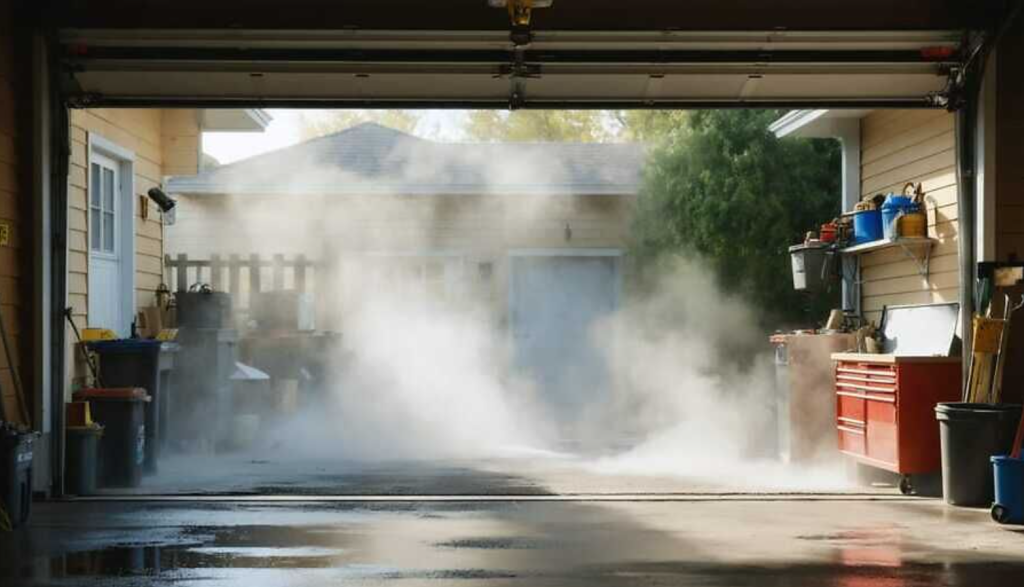
To better understand how garage pollution forms, consider the following list of common sources that contribute to overall contamination:
-
Exhaust fumes produced every time a vehicle starts inside the garage.
-
VOCs released from stored paints, cleaners, and construction materials.
-
Gasoline vapors escaping from small engines, tools, and containers.
-
Rubber odors from tires and automotive repair products.
-
Moisture buildup that amplifies musty smells and chemical intensity.
All of these pollutants accumulate quickly, especially in winter when garage doors remain closed for longer periods and ventilation is limited.
2. How EcoQuest Technologies Remove Fumes and Neutralize VOCs
EcoQuest systems use ActivePure®, ionization, and photocatalytic oxidation (PCO) to break down fumes, odors, and airborne chemicals that are common in garages. ActivePure® releases oxidizing molecules that interact with chemical compounds and help neutralize them at a molecular level. PCO targets VOCs released from paints, solvents, and fuel products, turning them into harmless components. Ionization reduces airborne particles and helps settle fine debris that comes from tire wear, brake dust, and exhaust residue.
One of the key advantages of EcoQuest technology is its ability to treat air and surfaces continuously, even in spaces where air circulation is limited. Garages often accumulate contaminants on walls, doors, workbenches, and stored items, so surface-level purification makes a noticeable difference in long-term odor reduction.
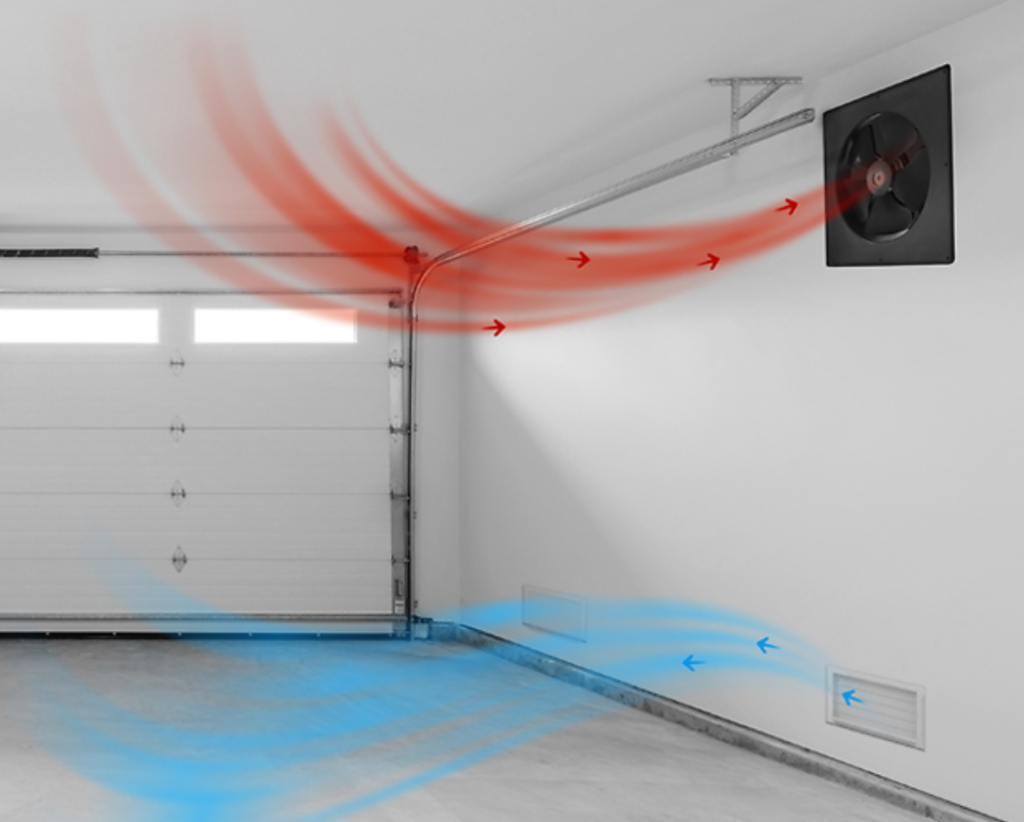
Here is a simplified breakdown of why EcoQuest works so effectively in garages:
-
Continuous action ensures fumes and VOCs are treated immediately.
-
Surface purification reduces chemical residue that settles on tools and storage shelves.
-
PCO treatment breaks down automotive and paint-related vapors.
-
Ionization helps remove fine particulate matter common in garages.
These combined mechanisms help transform the garage from a stagnant, chemical-heavy area into a cleaner and safer environment.
3. Practical Benefits of Using EcoQuest Purification in Garages
Garages often function as storage rooms, workshops, exercise areas, or entryways into the home. Clean air inside them improves not just the garage environment itself but also the adjoining indoor spaces. With EcoQuest systems operating continuously, odors become noticeably lighter, fuel smells fade, and the air feels fresher when entering the garage from the house.
Homeowners usually observe improvements such as reduced chemical intensity, fewer lingering exhaust odors after parking the car, and less “garage smell” transferring onto coats or household items stored inside. Allergy-sensitive individuals benefit from lower particulate levels, especially during warm months when hobby projects involve sanding, painting, or mechanical work.
Residents often evaluate garage improvements through changes like these:
-
Reduced exhaust smell after cold starts.
-
Minimal lingering chemical odors from stored items.
-
Fresher air around the door leading into the home.
-
Noticeably lower vapor concentration during repairs or maintenance.
-
Fewer musty or stale odors during humid seasons.
These benefits appear over time as ActivePure® and PCO work continuously to break down fumes and chemical particles.
4. Choosing the Best EcoQuest Device for Garage Air Purification
Different garages require different purification strengths depending on size, airflow, and typical usage. A small single-car garage with mild chemical odors may only need a compact EcoBox. Larger garages used for repairs, woodworking, or equipment storage benefit from the more powerful FreshAir system. For extreme cases such as garages with severe chemical buildup, restoration work, or strong fuel odors, the Ozone Blaster can be used occasionally for deep shock treatments.
Selecting the right model is easier when defining the garage’s primary issues. Garages that store fuels or chemicals need VOC-focused purification. Spaces where engines run frequently require solutions that neutralize exhaust fumes. Workshops benefit from particulate reduction and odor control.
This short comparative list highlights ideal uses for the core EcoQuest products:
-
FreshAir — everyday whole-home purification.
-
EcoRoom — targeted purification for medium rooms.
-
Ozone Blaster — occasional deep treatment for severe odor and contamination problems
The choice depends on severity of odors, moisture level, frequency of basement use, and overall square footage.