
How to Eliminate Household Odors Naturally: The Complete Guide Without Harsh Chemicals
Nothing makes a home feel less inviting than unpleasant odors. Whether it's the lingering smell of last night's dinner, damp towels in the bathroom, pet odors that seem impossible to remove, or a musty basement, unwanted smells can affect both comfort and indoor air quality.
Many homeowners reach for air fresheners or scented candles as a quick fix. While these products may temporarily mask odors, they rarely solve the underlying problem. In many cases, the smell returns within hours because the source remains unchanged.
The good news is that you don't need to fill your home with artificial fragrances or harsh chemicals to enjoy fresh indoor air. By understanding where odors come from and using the right combination of cleaning habits, ventilation, moisture control, and air purification, you can eliminate odors at their source rather than simply covering them up.
In this comprehensive guide, you'll learn:
- Why household odors keep coming back
- The science behind common indoor smells
- Natural ways to remove odors without chemicals
- Which odors require more than baking soda or vinegar
- How modern air purification technology helps improve indoor air quality
- Practical tips for keeping every room in your home smelling fresh year-round
Whether you live in a small apartment, a family home, or share your space with pets, the strategies in this guide will help you create a cleaner, healthier, and more pleasant indoor environment.
Why Your Home Keeps Smelling Even After Cleaning
One of the most frustrating experiences is spending hours cleaning your home only to notice unpleasant odors returning the very next day. Many people assume they simply missed a spot, but persistent household odors usually have deeper causes than visible dirt.
Cleaning surfaces removes dust, grease, and stains, but odors often originate from microscopic particles, moisture, bacteria, mold, and airborne compounds that remain long after a room looks spotless.
Understanding why odors develop is the first step toward eliminating them permanently.
Odors Are Usually Symptoms—Not the Problem
A bad smell is often a warning sign that something is happening beneath the surface.
For example:
- Organic material may be decomposing inside a garbage disposal.
- Moisture trapped behind walls can encourage mold growth.
- Pet accidents may have soaked into carpet padding or subflooring.
- Cooking grease can accumulate inside kitchen ventilation systems.
- Smoke particles may remain embedded in furniture, curtains, and drywall long after smoking has stopped.
Simply spraying an air freshener over these sources doesn't remove them—it only adds another scent to the air.
The goal should always be odor elimination, not odor concealment.
Hidden Sources of Household Odors
Many of the worst odors come from places homeowners rarely inspect. Common hidden sources include:
Soft Furnishings
Carpets, upholstered furniture, curtains, rugs, mattresses, and decorative pillows act like giant sponges. They continuously absorb:
- cooking odors
- tobacco smoke
- pet dander
- body oils
- moisture
- airborne particles
Without regular deep cleaning, these materials gradually release trapped odors back into the room.
HVAC Systems
Your heating and cooling system circulates air throughout the entire house. If the system contains:
- dirty filters
- mold
- dust buildup
- moisture
- biological contaminants
every heating or cooling cycle can redistribute unpleasant odors from one room to another. Many homeowners clean every room but forget the air moving between them.
Drain Pipes
Kitchen sinks, bathroom drains, and floor drains can develop unpleasant odors when:
- grease accumulates
- soap residue builds up
- bacteria multiply
- standing water stagnates
Even a sparkling clean bathroom may smell unpleasant if the drain itself needs attention.
High Humidity
Humidity is one of the biggest contributors to indoor odor problems. When indoor humidity consistently exceeds about 60%, conditions become ideal for:
- mold
- mildew
- bacterial growth
- dust mites
These organisms not only create unpleasant odors but may also negatively affect indoor air quality. Basements, laundry rooms, bathrooms, and poorly ventilated storage areas are especially vulnerable.
Pet Areas
Even well-trained pets naturally introduce odors into a home. Common sources include:
- bedding
- litter boxes
- food bowls
- toys
- fur
- saliva
- accidents
- dander
Regular cleaning helps, but microscopic odor particles often remain suspended in the air or embedded in fabrics.
The Science Behind Household Odors
Odors are caused by tiny airborne molecules known as volatile compounds. When these molecules enter your nose, they interact with specialized receptors that send signals to your brain, allowing you to identify specific smells. Some odors originate from harmless natural processes, while others are produced by bacteria, mold, smoke, or chemical reactions. Understanding the source of these molecules helps explain why some smells disappear quickly while others linger for weeks or even months.
Organic Odors
Organic odors result from the breakdown of natural materials. Examples include:
- spoiled food
- garbage
- pet waste
- sweat
- dirty laundry
- food residue
- compost
As bacteria digest these materials, they release gases responsible for the unpleasant smell. Removing the bacteria or organic residue typically eliminates the odor.
Moisture-Related Odors
The familiar "musty" smell usually indicates excessive moisture. It may be caused by:
- mold
- mildew
- damp drywall
- wet insulation
- soaked carpeting
- hidden water leaks
Even after the affected surface appears dry, microbial growth can continue beneath the surface if moisture remains trapped.
Smoke Odors
Smoke is particularly difficult to remove because it consists of microscopic particles that penetrate porous materials. These particles settle into:
- furniture
- carpeting
- clothing
- paint
- drywall
- ceiling tiles
- insulation
Smoke odors often require more than ordinary cleaning because the particles remain embedded deep inside materials.
Chemical Odors
Not all household odors come from biological sources. Some originate from chemicals released by:
- new furniture
- fresh paint
- flooring
- cleaning products
- adhesives
- building materials
These emissions, often referred to as volatile organic compounds (VOCs), may continue for weeks or even months after installation. Unlike food or pet odors, VOCs cannot simply be "washed away." Reducing them typically requires good ventilation and effective air purification.
Why Air Fresheners Usually Don't Solve the Problem
Air fresheners have become one of the most popular household products because they offer an immediate sense of freshness. A quick spray can make a room smell pleasant within seconds, which is why millions of people rely on them every day.
However, fragrance and cleanliness are not the same thing.
In most cases, traditional air fresheners do not eliminate odor molecules. Instead, they temporarily overpower unpleasant smells with stronger fragrances. Once the scented compounds dissipate, the original odor often returns because its source remains unchanged.
Imagine placing perfume over a garbage can without taking out the trash. The room may smell better for a short time, but the underlying problem is still there.
Some scented products can even make indoor air feel heavier by introducing additional chemicals into an already enclosed environment. For people with allergies, asthma, or fragrance sensitivities, heavily scented products may be uncomfortable rather than refreshing.
For lasting results, the focus should always be on identifying and removing the source of the odor first. Natural cleaning methods, moisture control, proper ventilation, and effective air purification work together to improve indoor air quality instead of simply masking unpleasant smells.
Key Takeaways
Before exploring specific odor-removal techniques, it's important to remember a few core principles:
| Household Odor Problem | What It Usually Means |
|---|---|
| Musty smell | Excess moisture, mold, or mildew |
| Persistent pet odor | Organic residue trapped in fabrics or flooring |
| Smoke smell | Particles embedded in porous materials |
| Kitchen odor | Grease, food residue, or poor ventilation |
| Bathroom odor | Moisture, drains, or bacterial growth |
| Chemical smell | VOCs released from household products or materials |
The most effective odor control strategy combines three essential steps:
- Remove the source of the odor.
- Improve ventilation and reduce excess moisture.
- Continuously improve indoor air quality by reducing airborne odor particles.
In the next section, we'll compare odor masking with true odor elimination, explain why many popular home remedies only provide temporary relief, and show which natural solutions are genuinely effective for different types of household odors.
Odor Masking vs. Odor Elimination: Understanding the Difference
One of the biggest misconceptions about household odors is believing that if a room smells pleasant, the odor problem has been solved. In reality, there's an important difference between masking an odor and eliminating its source. Understanding this distinction can save you time, money, and frustration—especially if you've been using air fresheners or scented products without lasting results.
What Is Odor Masking?
Odor masking simply means covering an unpleasant smell with a stronger or more pleasant fragrance. Common examples include:
- Aerosol air fresheners
- Scented candles
- Wax melts
- Plug-in fragrance diffusers
- Fabric sprays
- Essential oil sprays
These products don't usually remove the odor-causing particles from the air or the contaminated surface. Instead, they compete with or overwhelm your sense of smell, making the unpleasant odor less noticeable for a while. Once the added fragrance fades, the original odor often returns because nothing has changed at its source.
When Masking Makes Sense
Odor masking isn't always a bad idea. It can be useful when:
- Guests are arriving soon.
- You've just finished cooking a strong-smelling meal.
- You're waiting until you can perform a deeper cleaning.
- You want a temporary pleasant fragrance in your home.
The key is to view it as a short-term solution—not a permanent fix.
What Is True Odor Elimination?
True odor elimination means removing the source that produces unpleasant smells. Depending on the situation, this may involve:
- Cleaning organic residue
- Removing bacteria
- Eliminating mold or mildew
- Washing contaminated fabrics
- Improving ventilation
- Controlling humidity
- Capturing airborne odor particles
- Purifying indoor air
When the source is eliminated, the odor disappears naturally because there are no longer odor molecules being released.
Why Some Odors Keep Coming Back
If you've ever noticed a smell disappearing for a few hours and then returning, the reason is usually simple:
- The source is still active.
For example:
- A litter box may look clean but still contain odor-producing bacteria.
- A kitchen trash can may have been emptied, but food residue inside the container continues decomposing.
- A basement may smell musty because excess humidity is encouraging ongoing mold growth.
- Until the underlying cause is addressed, the smell will continue to return.
Odor Masking vs. Odor Elimination at a Glance
| Method | Masks Odor | Removes Source | Long-Term Solution |
|---|---|---|---|
| Air freshener spray | ✔ | ✘ | ✘ |
| Scented candle | ✔ | ✘ | ✘ |
| Plug-in fragrance | ✔ | ✘ | ✘ |
| Deep cleaning | ✘ | ✔ | ✔ |
| Moisture control | ✘ | ✔ | ✔ |
| Air purification | ✘ | ✔* | ✔ |
| Ventilation | ✘ | ✔ (for many airborne odors) | ✔ |
*Air purifiers remove airborne odor particles and help reduce many odor-causing contaminants, but surfaces and hidden sources should still be cleaned when necessary.
Natural Ways to Eliminate Household Odors
No single solution works for every odor. A refrigerator smell requires a different approach than cigarette smoke or pet odors. The best results usually come from combining several natural methods based on the source of the odor. Let's look at the most effective techniques homeowners can use.
1. Baking Soda
Why It Works
Baking soda (sodium bicarbonate) has been used as a natural deodorizer for decades. Rather than simply covering smells, it helps neutralize many acidic and alkaline odor compounds. Its porous structure also absorbs moisture, making it useful in enclosed spaces.
Best Uses
Baking soda works especially well for:
- Refrigerators
- Trash cans
- Shoes
- Pet bedding
- Carpets
- Mattresses
- Upholstery
- Closets
How to Use It
For carpets:
- Sprinkle a generous layer over the surface.
- Allow it to sit for several hours—or overnight for stronger odors.
- Vacuum thoroughly.
For refrigerators:
- Place an open box on a shelf and replace it every one to three months.
For shoes:
- Fill a small breathable pouch with baking soda and leave it inside overnight.
Advantages
- Inexpensive
- Non-toxic
- Safe around children and pets (when used appropriately)
- Readily available
Limitations
Baking soda works best for mild to moderate odors.
It cannot remove:
- Mold growing inside walls
- Smoke embedded in drywall
- VOC emissions
- Deep structural contamination
2. White Vinegar
White vinegar is another time-tested household deodorizer. Its mild acidity helps dissolve mineral deposits, soap residue, grease, and many odor-causing compounds. Unlike scented cleaners, vinegar targets the source rather than simply adding fragrance.
Best Uses
Ideal for:
- Kitchen counters
- Garbage cans
- Cutting boards
- Microwaves
- Refrigerators
- Bathroom surfaces
- Coffee makers
- Dishwashers
Simple Cleaning Solution
Mix:
- 1 part distilled white vinegar
- 1 part warm water
Use the solution to wipe hard surfaces where odors develop.
Important Note
Never mix vinegar with bleach. Doing so creates hazardous chlorine gas. Always use each product separately.
Advantages
- Natural
- Affordable
- Effective against grease
- Helps reduce bacterial buildup
Limitations
Vinegar has its own strong smell. Fortunately, it usually dissipates within an hour after drying.
3. Activated Charcoal
Activated charcoal is one of the most effective natural odor absorbers available. Unlike baking soda, which primarily neutralizes certain odor compounds, activated charcoal contains millions of microscopic pores that physically trap odor molecules. This process is known as adsorption. Because of its enormous internal surface area, even a small amount of activated charcoal can capture a surprising quantity of airborne contaminants.
Best Uses
Activated charcoal performs particularly well in:
- Closets
- Basements
- Cars
- Bathrooms
- Laundry rooms
- Shoe cabinets
- Storage areas
- Near litter boxes
Advantages
- Long-lasting
- Fragrance-free
- Reusable (many products can be refreshed in sunlight)
- Excellent for enclosed spaces
Limitations
Activated charcoal works gradually. It won't eliminate a strong odor in minutes, but over several days it can significantly improve air quality in small enclosed areas.
4. Fresh Air and Proper Ventilation
Sometimes the simplest solution is also one of the most effective. Opening windows creates air exchange that removes stale indoor air while bringing in fresh outdoor air. Modern homes are often built to be highly energy efficient, which means less natural airflow. While this reduces heating and cooling costs, it can also allow odors, humidity, and indoor pollutants to accumulate.
Improve Cross-Ventilation
Whenever weather permits:
- Open windows on opposite sides of the home.
- Turn on kitchen exhaust fans while cooking.
- Use bathroom fans during showers.
- Allow airflow for at least 15–30 minutes daily.
Even brief periods of fresh air circulation can noticeably reduce lingering odors.
Limitations
Ventilation is highly effective, but it isn't always practical. Outdoor air may contain:
- pollen
- wildfire smoke
- high humidity
- pollution
- allergens
- extreme temperatures
In these situations, additional indoor air treatment becomes more important.
5. Sunlight
Sunlight is an underrated natural deodorizer. Ultraviolet (UV) rays help reduce moisture and inhibit the growth of some odor-causing microorganisms. Fresh air also accelerates drying, which limits mold and mildew development.
Items That Benefit
Whenever possible, place these items outdoors:
- Pillows
- Blankets
- Pet beds
- Rugs
- Comforters
- Mattress toppers
Even a few hours of sunlight can noticeably improve freshness.
Limitations
Avoid prolonged sun exposure for delicate fabrics or materials that may fade.
6. Wash Fabrics More Often Than You Think
Many homeowners clean hard surfaces regularly while forgetting that fabrics absorb odors every day. Curtains, blankets, decorative pillows, couch cushions, and even upholstered dining chairs continuously collect airborne particles. Cooking oils, pet dander, tobacco smoke, body oils, and dust gradually accumulate in these materials. Over time, fabrics become one of the largest hidden sources of household odors.
Focus on High-Odor Items
Wash or deep clean regularly:
- Curtains
- Throw blankets
- Cushion covers
- Pet bedding
- Bathroom rugs
- Entryway mats
- Slipcovers
For upholstered furniture that cannot be machine washed, periodic steam cleaning can help remove embedded odor-causing residue.
Professional Tip
Many homeowners spend hundreds of dollars on scented products each year while overlooking the true source of recurring odors. A cleaner home doesn't necessarily smell fresh because surfaces are clean—it smells fresh when odor-producing particles have been removed from both the air and the materials that surround you. Think of odor control as a system rather than a single product. The most effective approach combines routine cleaning, moisture management, regular ventilation, and continuous improvement of indoor air quality.
7. Control Indoor Humidity
If you could fix only one environmental factor that contributes to household odors, humidity would be near the top of the list. Excess moisture creates ideal conditions for mold, mildew, bacteria, and dust mites—all of which can contribute to persistent unpleasant smells. Even if you clean regularly, odors often return if indoor humidity remains too high.
Why Humidity Matters
When moisture accumulates in your home, organic materials stay damp longer. That gives microorganisms more time to grow and produce the compounds responsible for musty or sour odors. Rooms most at risk include:
- Bathrooms
- Basements
- Laundry rooms
- Utility rooms
- Kitchens
- Poorly ventilated bedrooms
Ideal Indoor Humidity
For most homes, maintaining indoor humidity between 30% and 50% provides a good balance between comfort and odor prevention. Above 60%, the likelihood of mold growth increases significantly.
Simple Ways to Reduce Humidity
- Run bathroom exhaust fans during and after showers.
- Use kitchen range hoods while cooking.
- Repair plumbing leaks promptly.
- Dry wet towels and clothing quickly.
- Improve air circulation in enclosed rooms.
- Consider using a dehumidifier in damp areas.
A small digital hygrometer is an inexpensive tool that helps monitor humidity levels before they become a problem.
8. Clean Your Garbage Disposal
Many homeowners clean their kitchen every day but overlook one of the most common sources of unpleasant odors—the garbage disposal. Food particles, grease, and organic residue can become trapped inside the grinding chamber and surrounding components. Over time, bacteria break down this material, creating strong odors that spread throughout the kitchen.
How to Clean It Naturally
A simple cleaning routine includes:
- Turn off the disposal.
- Flush with hot water.
- Add baking soda.
- Follow with white vinegar.
- Allow the mixture to foam for several minutes.
- Rinse thoroughly with hot water.
You can also grind small citrus peels occasionally to leave a fresh scent, although citrus should be viewed as a finishing touch rather than the primary cleaning method.
9. Deep Clean Your Refrigerator
Even a clean-looking refrigerator can produce unpleasant odors. Small spills, expired food, leaking containers, and forgotten leftovers gradually create an environment where odor-causing bacteria thrive.
Monthly Refrigerator Checklist
- Remove all food.
- Check expiration dates.
- Wash removable shelves and drawers.
- Wipe interior walls.
- Clean door seals.
- Replace the open box of baking soda if you use one.
Regular maintenance prevents odors from becoming deeply embedded in plastic surfaces.
10. Don't Forget Your Washing Machine
Ironically, the appliance designed to clean your clothes can become a source of household odors. High-efficiency washing machines are particularly susceptible because they use less water, making detergent residue more likely to accumulate. This buildup creates an ideal environment for mold and bacteria.
Warning Signs
- Clothes smell musty after washing.
- Black residue appears around the door gasket.
- The drum has a sour odor even when empty.
Monthly Maintenance
Run an empty hot-water cycle using a washing machine cleaner or white vinegar. Leave the door slightly open after each load so the interior can dry completely.
11. Vacuum More Than Just the Floor
Vacuuming is often associated with carpets, but odor-producing particles settle almost everywhere. Dust, hair, pet dander, food crumbs, and pollen collect on soft surfaces throughout the home. Whenever possible, vacuum:
- Upholstered furniture
- Mattresses
- Curtains
- Fabric headboards
- Pet beds
- Area rugs
- Under large furniture
A vacuum equipped with a HEPA filter helps capture fine particles instead of releasing them back into the room.
12. Steam Cleaning
Steam cleaning uses high-temperature water vapor to loosen dirt and reduce many odor-causing microorganisms without relying on harsh chemicals. It works particularly well on:
- Tile grout
- Upholstery
- Mattresses
- Curtains
- Area rugs
- Pet accident areas
Because steam penetrates porous materials better than surface wiping, it can reach contamination that ordinary cleaning often misses. Always allow surfaces to dry completely afterward to prevent new moisture problems.
13. Replace HVAC Filters Regularly
Your HVAC system continuously circulates air throughout your home. If the filter becomes clogged with dust, pet hair, pollen, and other airborne particles, airflow decreases and odors may linger longer indoors. A dirty filter doesn't create every odor problem, but it can certainly make existing ones worse.
General Replacement Guidelines
- Every 1–2 months if you have multiple pets.
- Every 2–3 months in most households.
- More frequently during heavy wildfire seasons or periods of increased pollen.
Always follow your HVAC manufacturer's recommendations.
14. Keep Pet Areas Exceptionally Clean
Pets bring companionship, but they also introduce a unique combination of odors into the home. The smell rarely comes from the animal alone.
Instead, it often originates from:
- Bedding
- Blankets
- Toys
- Food bowls
- Litter boxes
- Accidents
- Hair trapped beneath furniture
Cleaning these areas consistently is usually far more effective than masking odors with scented sprays.
Weekly Pet Care Checklist
- Wash bedding.
- Vacuum favorite sleeping areas.
- Clean food and water bowls.
- Empty litter boxes frequently.
- Groom pets regularly.
- Address accidents immediately.
15. Improve Air Circulation Throughout Your Home
Air that remains stagnant allows odor molecules to accumulate. Improving circulation helps distribute fresh air and reduces localized odor concentrations. Simple improvements include:
- Ceiling fans
- Portable fans
- Open interior doors
- Keeping furniture away from vents
- Maintaining unobstructed airflow between rooms
While circulation alone won't remove odor sources, it complements ventilation and air purification.
Which Household Odors Cannot Be Removed Naturally?
Natural cleaning methods are highly effective for many everyday odors. However, there are situations where baking soda, vinegar, fresh air, or activated charcoal simply cannot solve the problem completely. Recognizing these situations can save homeowners weeks—or even months—of frustration.
1. Cigarette Smoke Embedded in Building Materials
Smoke is one of the most persistent household odors because its microscopic particles penetrate porous materials. These particles become trapped inside:
- Drywall
- Ceiling tiles
- Insulation
- Carpets
- Upholstery
- Curtains
- Wooden furniture
Even after deep cleaning, residual smoke compounds may continue releasing odors for years. Removing the source often requires a combination of intensive cleaning, repainting, replacing contaminated materials, and ongoing air purification.
2. Mold Growing Behind Walls
Surface mold can sometimes be cleaned. Hidden mold cannot. If moisture remains inside wall cavities, beneath flooring, or above ceilings, the odor will continue regardless of how many scented products you use. A persistent musty smell combined with recurring moisture usually indicates that the underlying water problem must be addressed first.
3. Pet Urine That Has Reached the Subfloor
Fresh accidents are relatively easy to clean. Older accidents are much more challenging. When urine penetrates:
- Carpet padding
- Hardwood seams
- Concrete
- Wooden subfloors
odor-causing compounds become deeply embedded below the visible surface. Professional remediation—or replacement of affected materials—may sometimes be necessary.
4. Long-Term Cooking Grease
Years of cooking gradually coat kitchen surfaces with microscopic grease particles. Cabinets, ceilings, range hoods, and ventilation ducts can all accumulate residue that traps odors. Simply wiping countertops won't remove years of accumulated grease hidden in less accessible areas.
5. VOC Emissions from New Materials
Sometimes what people describe as a "chemical smell" isn't dirt at all. It may be caused by volatile organic compounds (VOCs) released from:
- New flooring
- Fresh paint
- Furniture
- Cabinets
- Adhesives
- Mattresses
- Building materials
These compounds naturally dissipate over time, but the process may take weeks or months depending on the product and ventilation. Unlike food odors or pet smells, VOCs cannot be washed away—they must dissipate or be reduced through ventilation and effective air cleaning.
When Home Remedies Reach Their Limits
Natural odor-removal techniques should always be your first line of defense. They are affordable, environmentally friendly, and highly effective for many common household smells. But when odors are continuously being generated—whether by smoke particles, hidden mold, excessive humidity, or airborne pollutants—surface cleaning alone is no longer enough. At that point, the focus shifts from cleaning surfaces to improving the quality of the air itself. In the next section, we'll explore how modern air purification technologies help reduce airborne odor particles, how different filtration methods work, and what to look for when choosing an air purifier for long-term odor control.
How Air Purifiers Help Eliminate Household Odors
By now, you've seen that most household odors originate from one of two places:
- A surface that needs cleaning.
- Airborne particles that continue circulating throughout your home.
Cleaning removes contamination from surfaces, but it doesn't necessarily address what's still suspended in the air. That's where modern air purification systems can make a meaningful difference. Instead of simply adding fragrance, air purifiers are designed to help reduce airborne particles associated with common household odors and improve overall indoor air quality. For many homeowners, the best long-term strategy combines:
- Routine cleaning
- Moisture control
- Good ventilation
- Continuous air purification
Working together, these approaches help create a fresher indoor environment than any single method alone.
Different Air Purification Technologies Explained
Not every air purifier works the same way. Some technologies focus primarily on capturing particles, while others are designed to help reduce airborne contaminants or odor-causing compounds. Understanding these differences makes it easier to choose the right solution for your home.
HEPA Filtration
HEPA filters physically capture many airborne particles as air passes through the filter. They are commonly used for reducing:
- Dust
- Pollen
- Pet dander
- Fine airborne particles
HEPA filtration is excellent for particle removal but, on its own, it is generally less effective against gaseous odors.
Activated Carbon
Activated carbon contains millions of microscopic pores that adsorb many odor molecules. It is especially useful for:
- Cooking odors
- Smoke
- Pet smells
- Household VOCs
Many air purifiers combine carbon filtration with other purification technologies for broader odor control.
UV Light
Ultraviolet technology is used in some air purification systems to help treat microorganisms that pass through the purification chamber. Its effectiveness depends on factors such as exposure time, lamp design, and airflow.
Ionization
Ionization technology releases charged ions into the air. These ions attach to airborne particles, encouraging them to cluster together so they are more easily captured or settle from the air. Many homeowners appreciate ionization because it can contribute to a cleaner-feeling indoor environment, particularly in homes where dust accumulates quickly.
Photocatalytic Purification
Some advanced systems combine UV light with a photocatalytic surface. This process is designed to help break down certain airborne organic compounds rather than simply trapping them. It is one of the technologies used in several premium whole-home purification systems.
When an Air Purifier Makes the Biggest Difference
While regular cleaning should always come first, there are situations where an air purifier becomes especially valuable. These include homes with:
- Multiple pets
- Frequent cooking
- Tobacco smoke residue
- High pollen seasons
- Older carpeting
- Open floor plans
- Limited natural ventilation
- Persistent everyday odors
If odors return shortly after cleaning, it's often a sign that airborne particles are continuing to circulate throughout the home.
Choosing the Right EcoQuest Air Purifier
Every home is different. The ideal air purifier depends on room size, the type of odor you're dealing with, and whether you need whole-home or room-specific coverage. Below are several EcoQuest models suited to different living environments.

Fresh Air Double Plus
Recommended for:
- Family homes
- Open living areas
- Homes with pets
- Everyday household odors
- Cooking smells
Fresh Air Black is designed for spaces up to 3,000 square feet and combines multiple purification technologies, including ionization, UV light, ozone functionality, and photocatalytic purification. This multi-technology approach makes it well suited for homeowners looking to support cleaner indoor air across larger living spaces rather than treating only a single room. It can be an excellent choice if your goal is maintaining fresher air throughout the day in busy households.
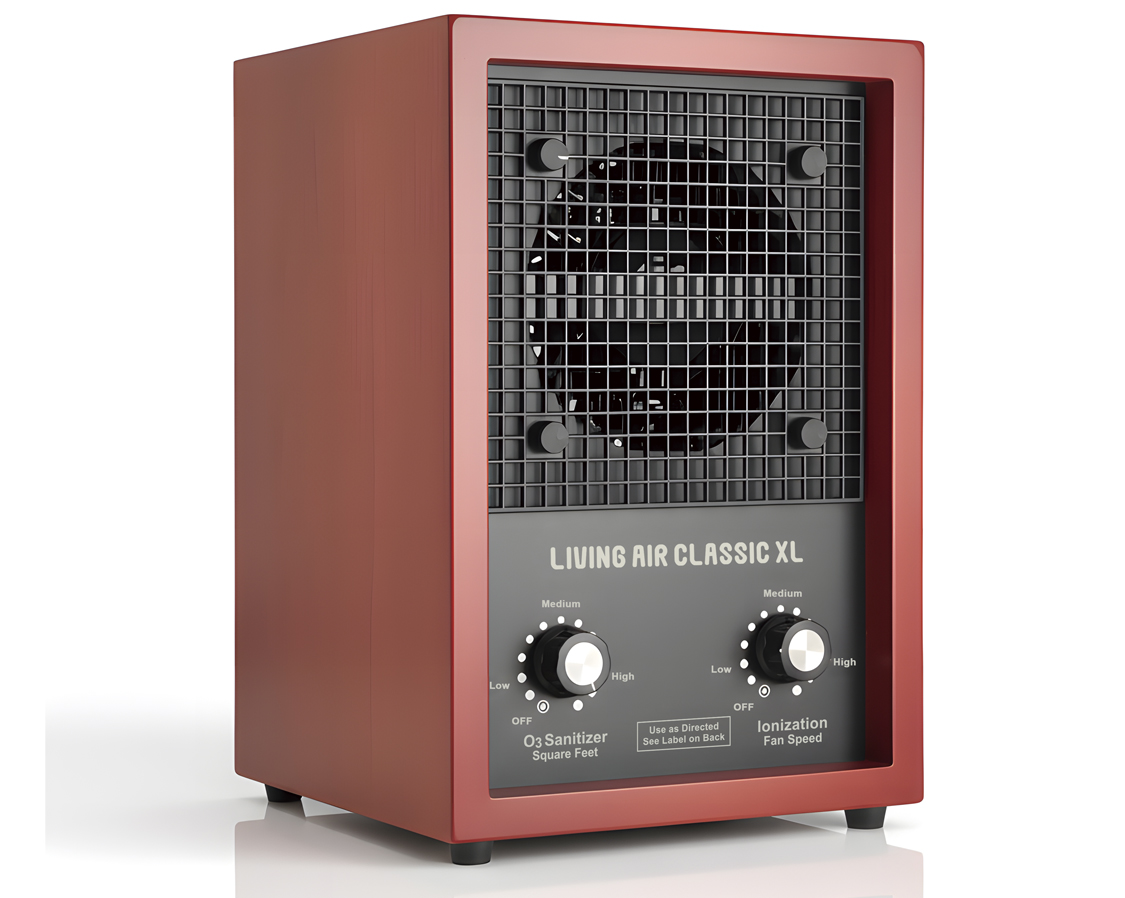
Living Air Classic XL-15
Recommended for:
- Larger homes
- Open floor plans
- Long-term odor management
- Homes with multiple occupied rooms
Designed to cover areas up to 3,500 square feet, the Living Air Classic XL-15 uses ionization and ozone-based purification technologies. For homeowners dealing with recurring cooking odors, pet-related smells, or stale indoor air across multiple connected rooms, the XL-15 provides coverage appropriate for larger residential spaces.

EcoRoom
Recommended for:
- Bedrooms
- Home offices
- Apartments
- Guest rooms
- Nurseries
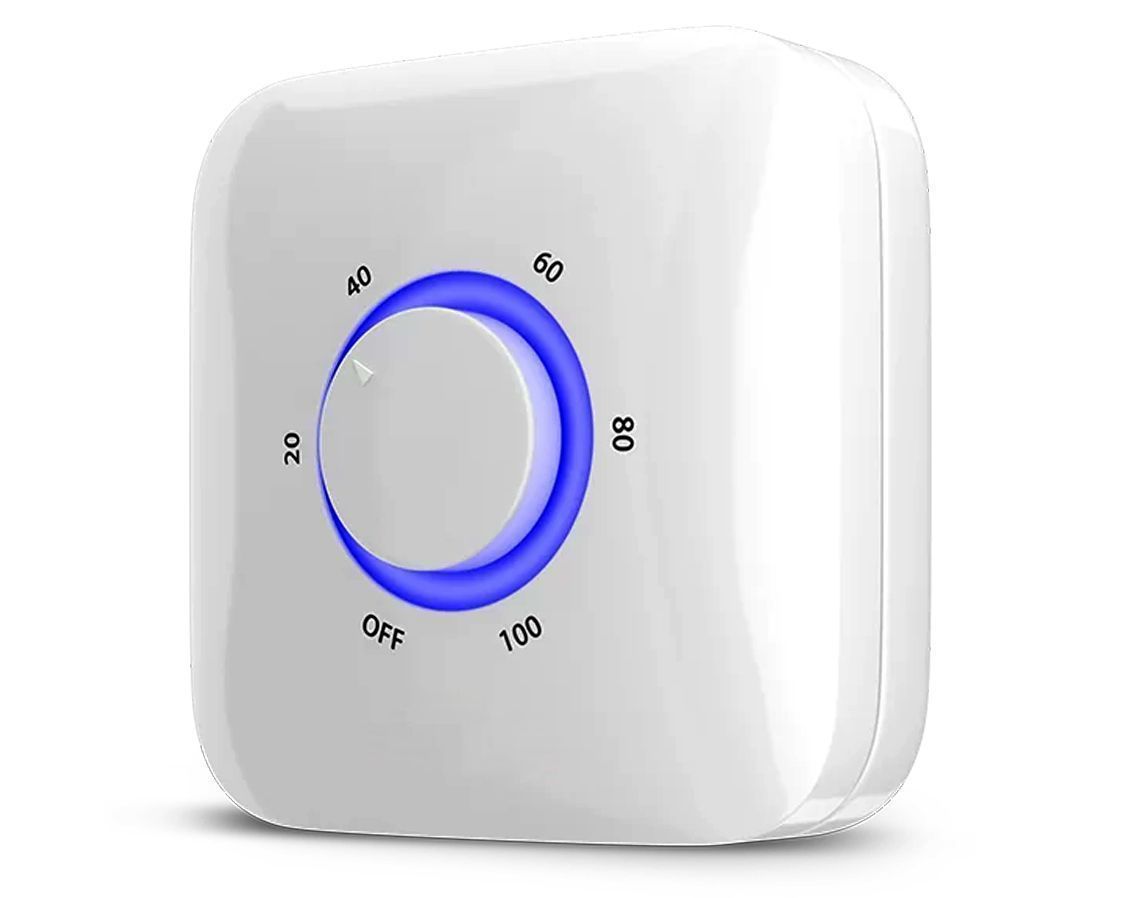
Not every room requires whole-home purification. EcoRoom is intended for individual spaces up to approximately 500 square feet and features ActiveOx technology together with plasma ionization. Its compact size makes it a practical option for areas where people spend extended periods of time, such as bedrooms or home offices.
EcoZone
Recommended for:
- Smoke odors
- Basements
- Garages
- Storage rooms
- Vacation homes
- Periodic deep odor treatment
Some odors require more intensive treatment than everyday air cleaning. EcoZone is designed for situations where stronger odor management is needed in unoccupied spaces or during periodic treatment cycles. It can be useful for addressing stubborn odors associated with smoke, damp storage areas, or spaces that have remained closed for extended periods. As with any ozone-generating device, it should always be used according to the manufacturer's instructions and recommended safety guidelines.
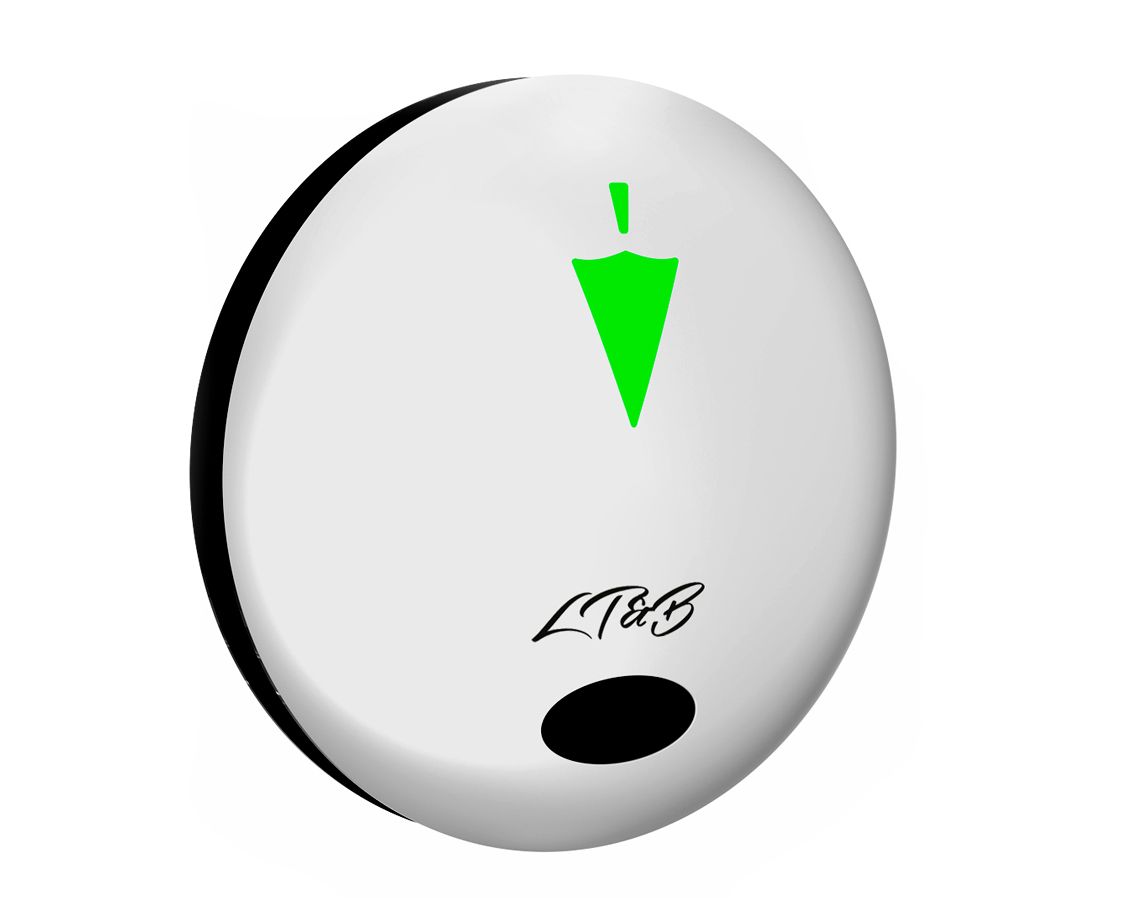
EcoShield
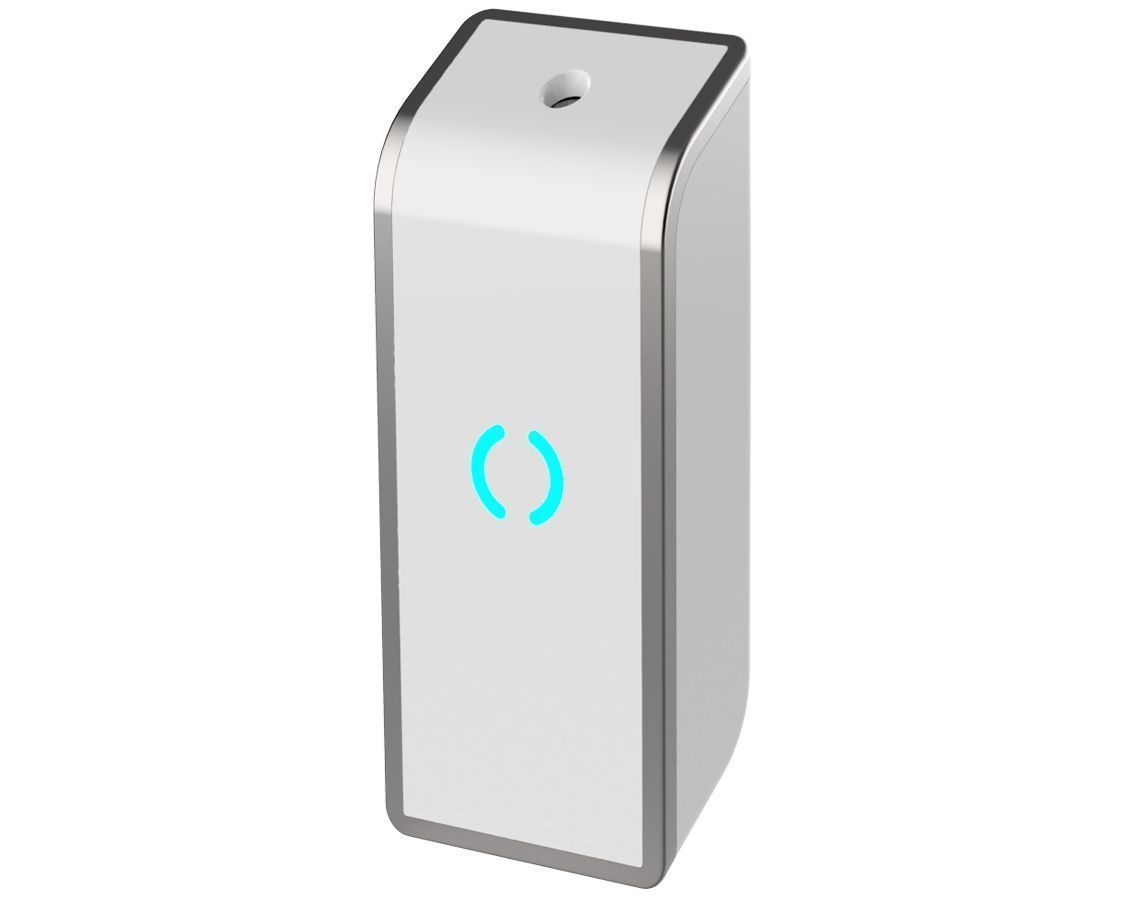
Fresh indoor air isn't only important at home. EcoShield is a personal wearable air purifier designed for individual use while commuting, working, traveling, or spending time in crowded environments.
Unlike whole-room systems, it focuses on creating a cleaner breathing zone around the wearer.
It's a practical companion for people who spend much of their day away from home but still want portable air purification.
EcoSphere O3
Some household items are difficult to clean using conventional methods alone.
EcoSphere O3 is designed for water-based sanitizing applications involving fruits, vegetables, kitchen items, and other everyday objects according to the product's intended uses.
Although it isn't a room air purifier, it can complement a healthy home routine by helping homeowners maintain cleaner food preparation practices.
Which EcoQuest Model Fits Your Home?
| Your Situation | Recommended Model | Why It Fits |
|---|---|---|
| Apartment or bedroom | EcoRoom by LT&B | Compact solution for individual rooms |
| Average family home | Fresh Air Black | Whole-home coverage with multiple purification technologies |
| Large house | Living Air Classic XL-15 | Designed for larger open living spaces |
| Smoke, basement, garage | EcoZone | Intended for more demanding odor-control applications |
| Travel or office | EcoShield | Personal wearable air purification |
| Food and kitchen hygiene | EcoSphere O3 | Complements household sanitation routines |
Common Mistakes That Make Household Odors Worse
Many odor problems persist because homeowners unknowingly create conditions that allow them to return. Avoid these common mistakes:
Using fragrance instead of cleaning
Pleasant scents don't remove odor sources.
Ignoring moisture
Even a spotless home can develop musty odors if humidity remains too high.
Forgetting fabrics
Curtains, rugs, upholstered furniture, and mattresses often hold more odor than hard surfaces.
Neglecting HVAC maintenance
Dirty filters reduce airflow and allow particles to continue circulating.
Waiting too long to clean spills
Organic residue becomes much harder to remove once it penetrates porous materials.
A Simple Year-Round Fresh Home Checklist
Daily
- Take out the trash.
- Wipe kitchen counters.
- Ventilate bathrooms after showers.
- Open windows when weather allows.
Weekly
- Vacuum carpets and upholstery.
- Wash pet bedding.
- Clean sinks and drains.
- Empty refrigerator of expired food.
Monthly
- Clean the garbage disposal.
- Wash curtains or removable covers.
- Replace or inspect HVAC filters.
- Check humidity levels.
Seasonally
- Deep-clean carpets.
- Steam-clean upholstery.
- Inspect for hidden leaks.
- Clean air vents and ceiling fans.
Small, consistent habits are far more effective than occasional intensive cleaning.