
How to Reduce the Risk of Nipah Virus Exposure: Practical Prevention Measures
The Nipah virus is considered a rare but potentially serious infectious disease. It has drawn the attention of global health experts due to its high fatality rate in severe cases, rapid progression of symptoms in some patients, and the current absence of a licensed vaccine or targeted treatment.
While outbreaks have primarily been reported in parts of South and Southeast Asia, including India and Bangladesh, Nipah virus is often discussed as an example of how interconnected and vulnerable the modern world can be to emerging infectious threats.
In this context, prevention plays a critical role. A combination of practical measures aimed at reducing exposure risk and lowering overall environmental viral load can help individuals stay informed and better prepared.
To better understand the background of the current situation, you may also find our overview article helpful: Nipah Virus Outbreak in India: Symptoms, Transmission & Risk Reduction, which explains what the Nipah virus is, how it spreads, and why preventive measures are essential.
Why Prevention Is Especially Important for Nipah Virus
According to information published by the World Health Organization (WHO), the fatality rate of Nipah virus infection in severe cases has ranged from approximately 40% to 75%. The illness can involve the central nervous system, potentially leading to encephalitis and rapid deterioration of health, sometimes within 24–48 hours.
At present, medical care for Nipah virus infection is limited to supportive treatment. There is no approved vaccine or specific antiviral therapy. For this reason, prevention, early awareness of symptoms, and minimizing potential exposure are considered key strategies in public health discussions surrounding Nipah virus awareness.
Main Routes of Transmission
Zoonotic and Human-to-Human Transmission
Nipah virus is classified as a zoonotic infection, meaning it can be transmitted from animals to humans. Fruit bats are recognized as the natural reservoir of the virus. Transmission may occur through several pathways, including:
- direct contact with infected animals or people
- consumption of contaminated or improperly handled food
- close contact with an infected person in enclosed spaces
Although Nipah virus is not considered a classic airborne virus, health experts note that crowded indoor environments and poor ventilation can increase the overall risk of transmission for many infectious agents.

Basic Measures to Reduce Exposure Risk
Everyday Preventive Practices
Standard preventive recommendations remain essential and include:
- maintaining proper personal hygiene
- washing fruits and vegetables thoroughly
- avoiding close contact with individuals showing symptoms of infectious illness
- seeking medical advice promptly if unusual symptoms appear
- following general sanitation practices at home and in the workplace
In recent years, however, increased attention has been given to another important factor: indoor air quality.
Why Indoor Air Quality Matters
Modern lifestyles in the United States involve spending a significant amount of time indoors—at home, in offices, schools, vehicles, and retail spaces. In enclosed environments with limited ventilation, airborne particles, microorganisms, and contaminants may accumulate over time.
Research in environmental health suggests that reducing overall microbial load in indoor air may support broader infection prevention efforts. For this reason, air quality management is increasingly viewed as a complementary component of general health awareness.
Air Purifiers with Ozone Technology as a Supportive Measure
Supporting Cleaner Indoor Air
One approach to improving indoor air quality involves the use of air purifiers equipped with ozone or active oxygen technologies. Ozone and reactive oxygen species are known to interact with microorganisms, including bacteria and viruses, by affecting their outer structures and reducing environmental activity.
It is important to emphasize that such devices are not medical treatments and do not diagnose, prevent, or cure disease. When used responsibly and according to manufacturer guidelines, they may help reduce odors, airborne contaminants, and overall microbial presence in indoor environments.
Solutions for Homes, Apartments, and Offices
Larger Indoor Spaces
For larger residential spaces and office environments, air purifiers designed for higher air volumes are commonly used to support consistent air circulation and cleaner indoor conditions.
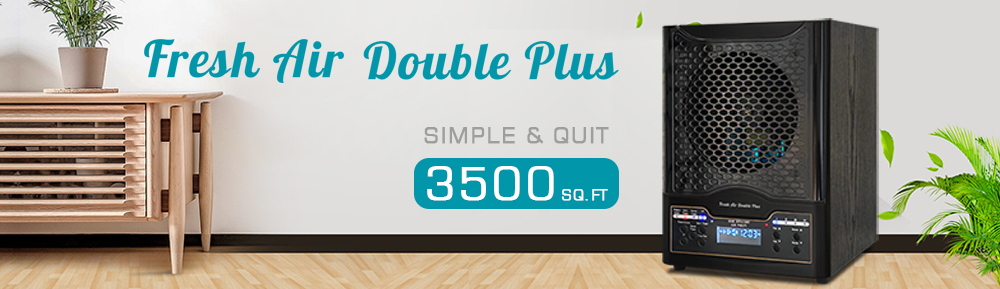
Fresh Air Double Plus, Living Air Classic XL, Breeze2 is an air purifier intended for use in larger rooms, multi-room apartments, and office settings. It is designed to support ongoing air quality management in spaces where multiple people gather.
Smaller Rooms and Personal Spaces
For bedrooms, home offices, or children’s rooms, compact devices such as EcoRoom are designed for localized air purification and targeted indoor use.
Food Safety as Part of Preventive Awareness
Cleaning Fruits and Vegetables
Food safety is another important aspect of everyday health awareness. Pathogens may remain on the surface of fruits and vegetables during transportation and storage.
EcoFood is a device designed for cleaning produce using a combination of ultrasonic vibrations and active ions. Ultrasonic waves can help disrupt surface contaminants, while reactive ions interact with residues at a molecular level. This approach may serve as an additional food safety practice in household settings.
Air Quality Inside Vehicles
Cars represent another enclosed environment where people may spend significant time, especially during commuting, ridesharing, or long-distance travel.
EcoTravel is an in-car air purifier developed to support improved air quality inside vehicle cabins. Such devices are often used to help reduce odors and airborne pollutants during regular driving, particularly in urban traffic conditions.
If Air Purifiers Are Already in Use
Maintenance and Responsible Use
To maintain effectiveness, manufacturers and environmental specialists generally recommend:
- replacing filters regularly
- maintaining ozone plates according to guidelines
- following recommended operating schedules
- avoiding excessive ozone exposure
Proper use and maintenance are essential for any air purification system.
Conclusion: Preparedness Without Panic
Nipah virus is not a reason for panic, but rather a reminder that emerging infectious diseases remain a part of the modern global landscape. Increased travel, urbanization, and environmental factors all contribute to evolving health challenges.
A balanced, informed approach—combining hygiene practices, food safety awareness, attention to symptoms, and indoor air quality management—can help individuals reduce exposure risks and stay better prepared.
Being proactive does not mean being fearful. It means making informed decisions based on credible information and practical preventive strategies.